

Bridging the Gap for Young Professionals: How Energy Can Better Accommodate the Millennial Hustle
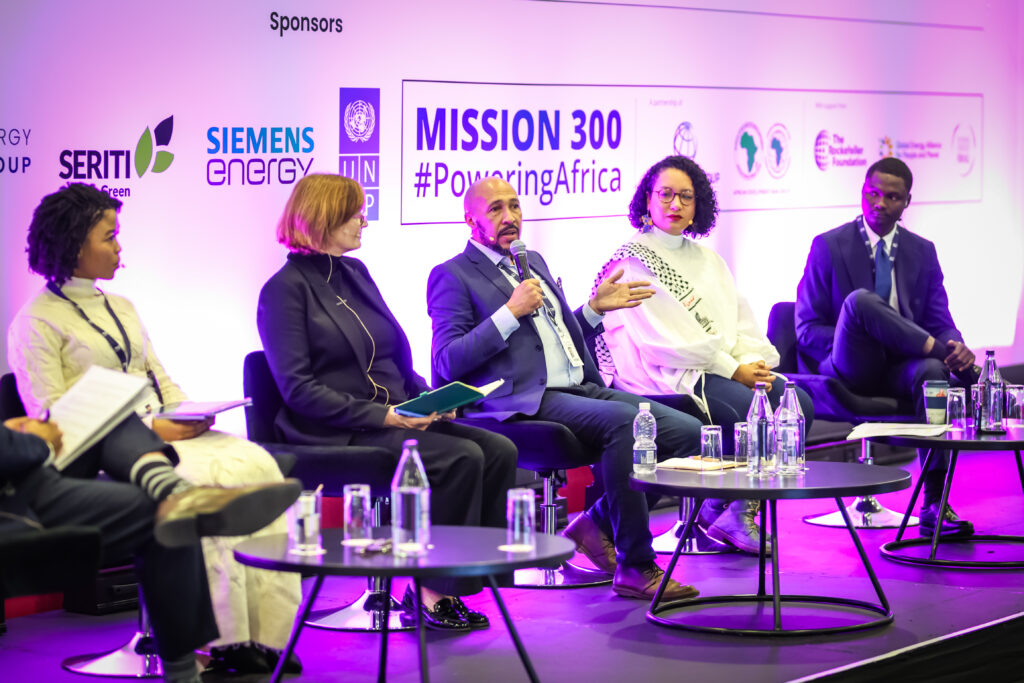
Generation Theatre: Bridging the Gap Between Academia and Industry
Room: : YES Conference 1
Time: 08:30
A current mismatch in expectations between academia and industry is creating a sizeable gap that young people are being forced to fall into, often blindly.
This gap can simply be illustrated by the academia side producing a high standard of technical graduates often lacking in practical or soft skills, and industry being reluctant to then nurture those additional skills because of high staff churn and turnover.
“Nobody has ever been ready to work on their first day in employment. Young people have always needed guidance, training and time to develop. Before, though, employers were keen to make those investments as it would be an opportunity to retain those people for 10, 15, even 20 years. Now, younger people only stay for one, two or three years typically, so companies are reluctant to make the investment, and are only really interested in young employees who already walk through the door with practical and soft skills,” explained Tsholo Mogotsi, Chief Partnerships Officer, Youth Employment Service (YES) South Africa.
With academia often not preparing students in those areas, the gap is created and young professionals are caught in the middle.
“And this all reinforces the perception that young people are the problem,” said Sherrie Donaldson, Lead; Opportunity, Development & Incubation, Harambee. “Young people aren’t the problem. They’re just not being prepared effectively to grab opportunities with both hands, and then become disillusioned in an era where they’ve been taught to protect themselves and their mental health.”
Validated and valued
Arguably, the biggest gap in younger workers’ armoury, that is particularly damaging in the context of energy, is the presence of soft skills. Problem solving, critical thinking, storytelling, communication, leadership, building human connections… they are all needed across such a vast range of industry requirements.
Tsholo has seen this issue first-hand from his vantage point at the Youth Employment Service South Africa, and noted: “It takes more than just people to instal a solar panel. We need knowledge of the energy mix more broadly, regulatory understanding, legal understanding, sales, accounts, HR… even for a solar PV installation company, it goes far beyond the installation of a panel.”
Mapaseka Setlhodi, National Pathway Management Network Lead, Presidential Youth Employment Intervention, agreed, but caveated younger generations’ changing priorities in the workplace: “There are so many unwritten rules when you arrive in a new job.
“But beyond those practical elements that can be picked up, we as millennials and Gen Z most value the culture and experience of a company, and won’t stay in a place where our mental health is deteriorating. That isn’t a failure of resilience. It’s an onus on both industry and academia to accept the new dynamics of the labour market, and to prepare young people for it.
“If we change jobs after 18 months, that’s not apathy. It’s hustling.”
“What keeps young people in a position is to be challenged, to be asked for new ideas, to have their opinions validated and valued,” added Aatifah Latief, Professional Officer: Communications, Training and Education. Sustainable Energy Facilitation, City of Cape Town.
The hope moving forward is that industry can better conform to this new mindset among young professionals while informing academia what it would like to see in terms of practical and soft skills moving forward. Meanwhile, if academia can pick up the slack when it comes to that pre-workforce preparation beyond theoretical knowledge, then the gap can be closed just as quickly as it seems to have opened.